The Wrong Door: On Connoisseurship And Context
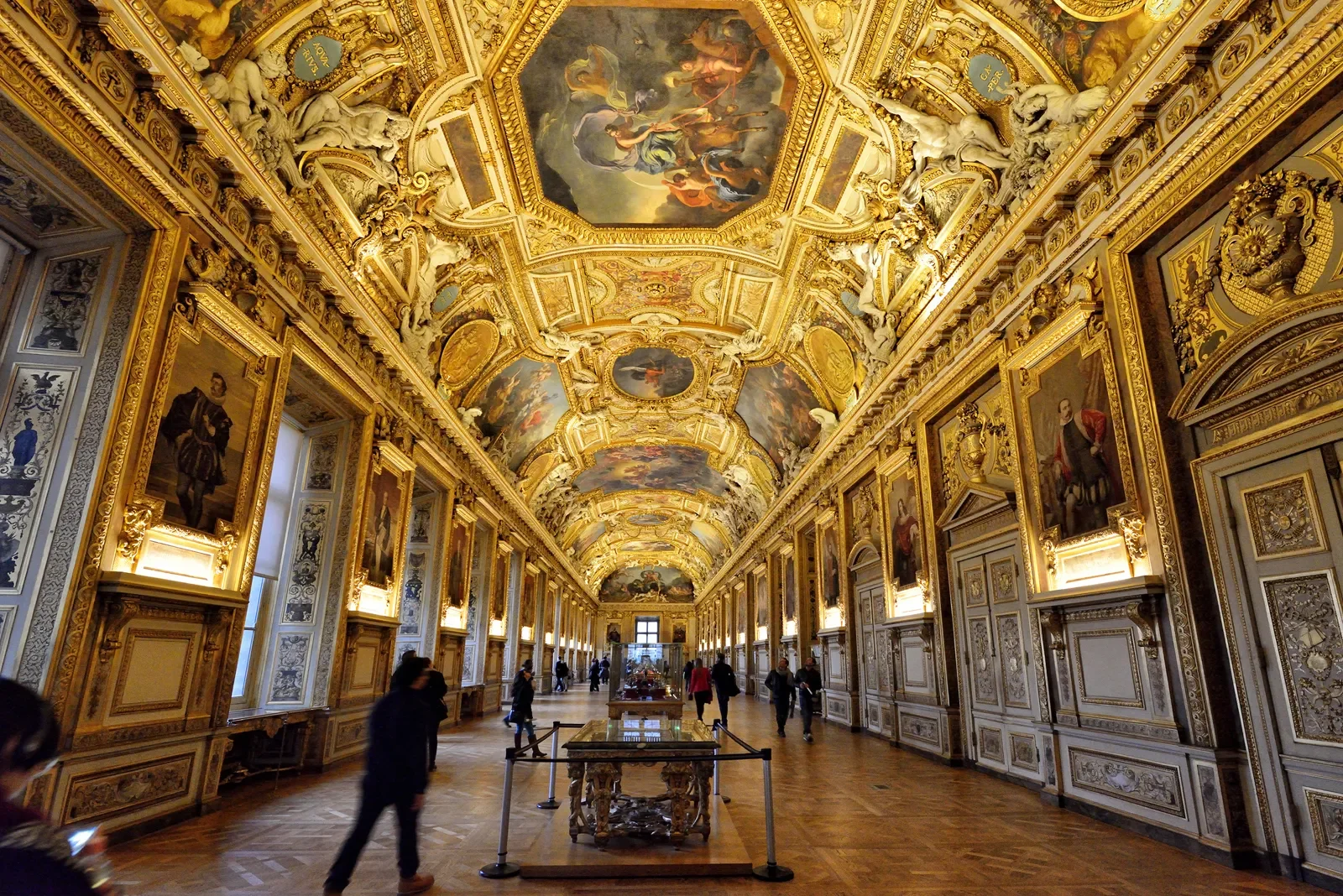
There is a recurring tension at the edges of the digital art world: a desire to enter the traditional art ecosystem without learning the language it speaks. The result is predictable.
You can’t force entry into a connoisseurship-driven ecosystem using tactics designed for inventory liquidation.
This isn’t gatekeeping, it’s misalignment.
A market built on slow attention, deep context, and reputational stewardship cannot be approached with the velocity of a showroom pitch. Yet this is the posture we see repeated: digital art practitioners adopting the cadence of sales floors, then wondering why the doors remain half-open at best.

Connoisseurship Is Not a Vibe, it’s a Vocabulary.
Connoisseurship is often mistaken for elitism, but its roots are far older and far more democratic.
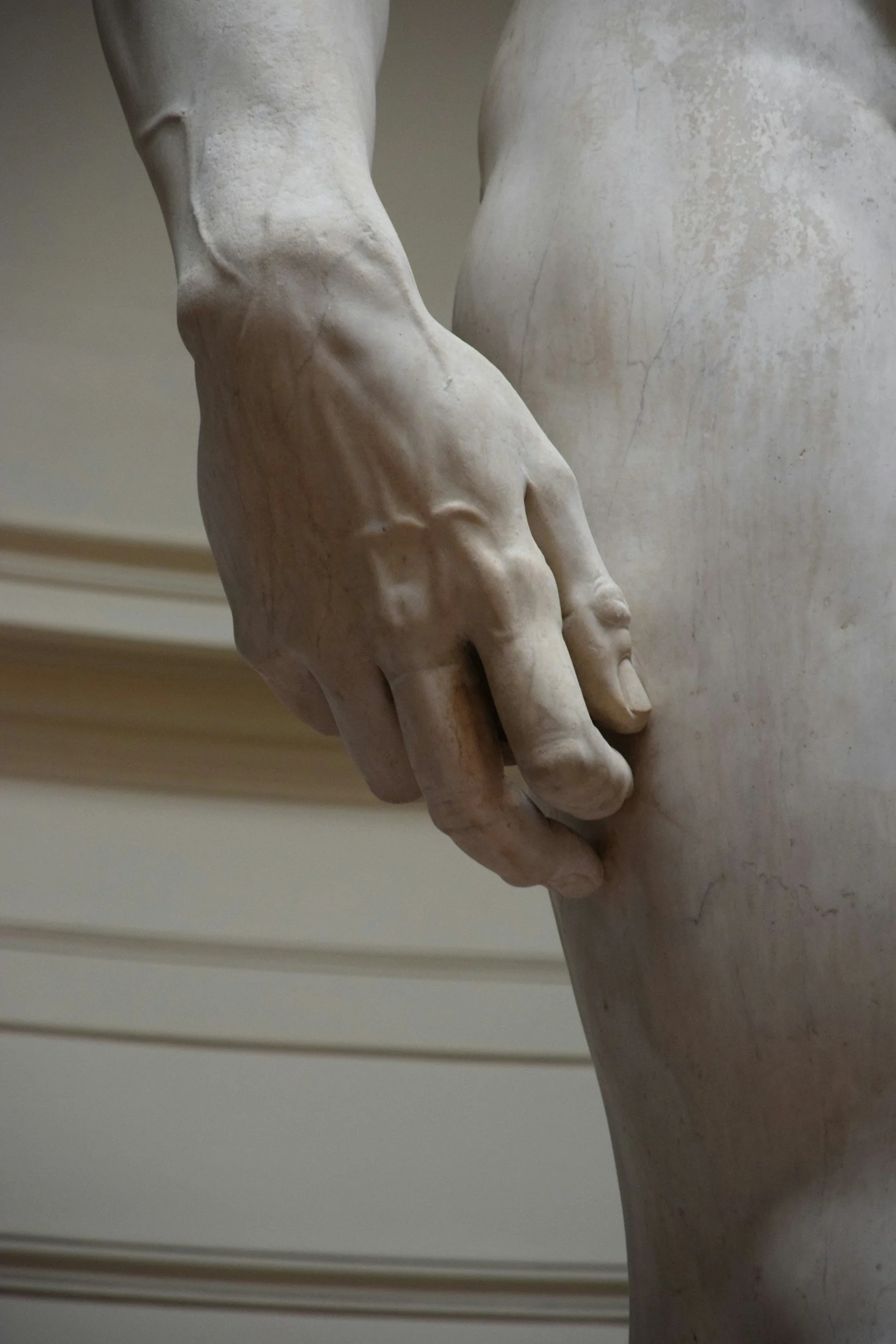
In Renaissance workshops, it was a practical literacy, knowing how a hand moves, how a pigment ages, how an image thinks. Today, it operates on a similar register: the ability to situate a work within lineage, technique, influence, and deviation… It’s not mystical. It’s observable.
When digital art arrives without this contextual scaffolding, the void is immediately felt. It’s not that the work lacks merit…it’s that it lacks placement. And without placement, there is nothing to “advise” on!
The Rise of the Accidental Salesman
Many in the digital art space adopted a role that never existed in the legacy market: the Hype Broker. Part analyst, part promoter, part unpaid intern for momentum. Having experience in the marketing side of the digital art world, I can confidently say that I have encountered many of these before.
This creates a strange dissonance. On one hand, there is an ambition to mirror the authority of a secondary-market advisor. On the other, there is the behavior of someone trying to clear stock before quarter’s end.
Of course selling mechanisms exist in every market: but in the traditional art world, they’re presented with entirely different cadence, intention, and discretion.

Why A Traditional Market Doesn’t Respond to Pressure
The traditional art market (auction houses aside) has never been driven by urgency. The best dealers operate like archivists of taste. Their reputations are part of their method: they place works with intention because their standing lives or dies by the longevity of those placements.
A forced sale isn’t a victory, it’s a reputational liability! Digital art enters this environment with the tempo of a launchpad mint calendar… No wonder the conversation feels so asymmetrical. It is rather difficult to accelerate a space that is designed to resist acceleration.
Art Consultation/Advisory vs. Cosplay
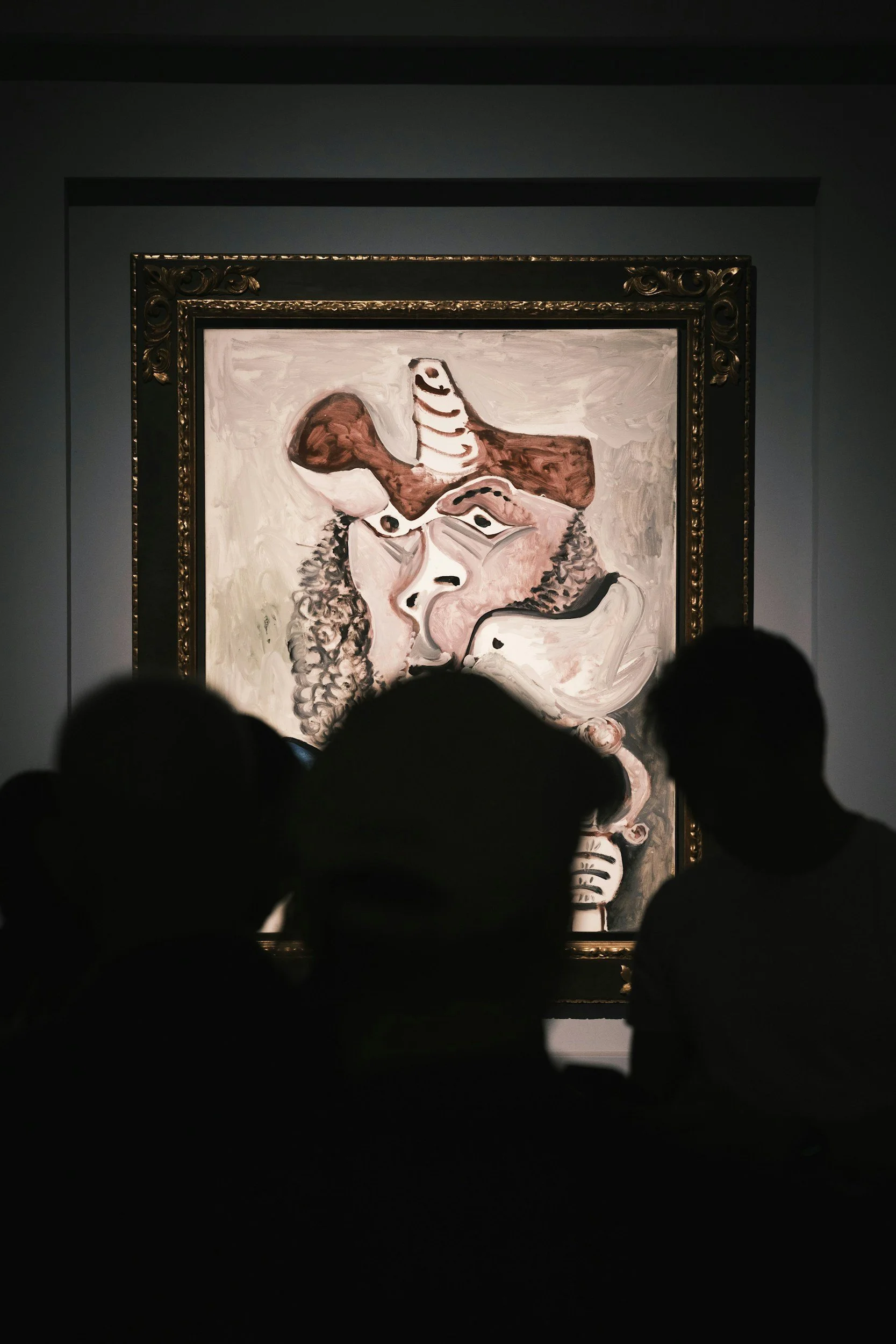
The term “art consultant/art advisor” has proliferated in digital art circles, often without the corresponding practice behind it. Adopting the title is easy… Occupying the role is not.
Art Consultancy/Advisory requires:
knowledge of collecting histories
familiarity with institutional priorities
sensitivity to a collector’s long-term vision
the ability to contextualize a work across centuries, not weeks.
If the posture is car-salesman energy wearing a borrowed title, collectors feel it immediately. The body language doesn’t match the vocabulary.
A More Mature Path Forward
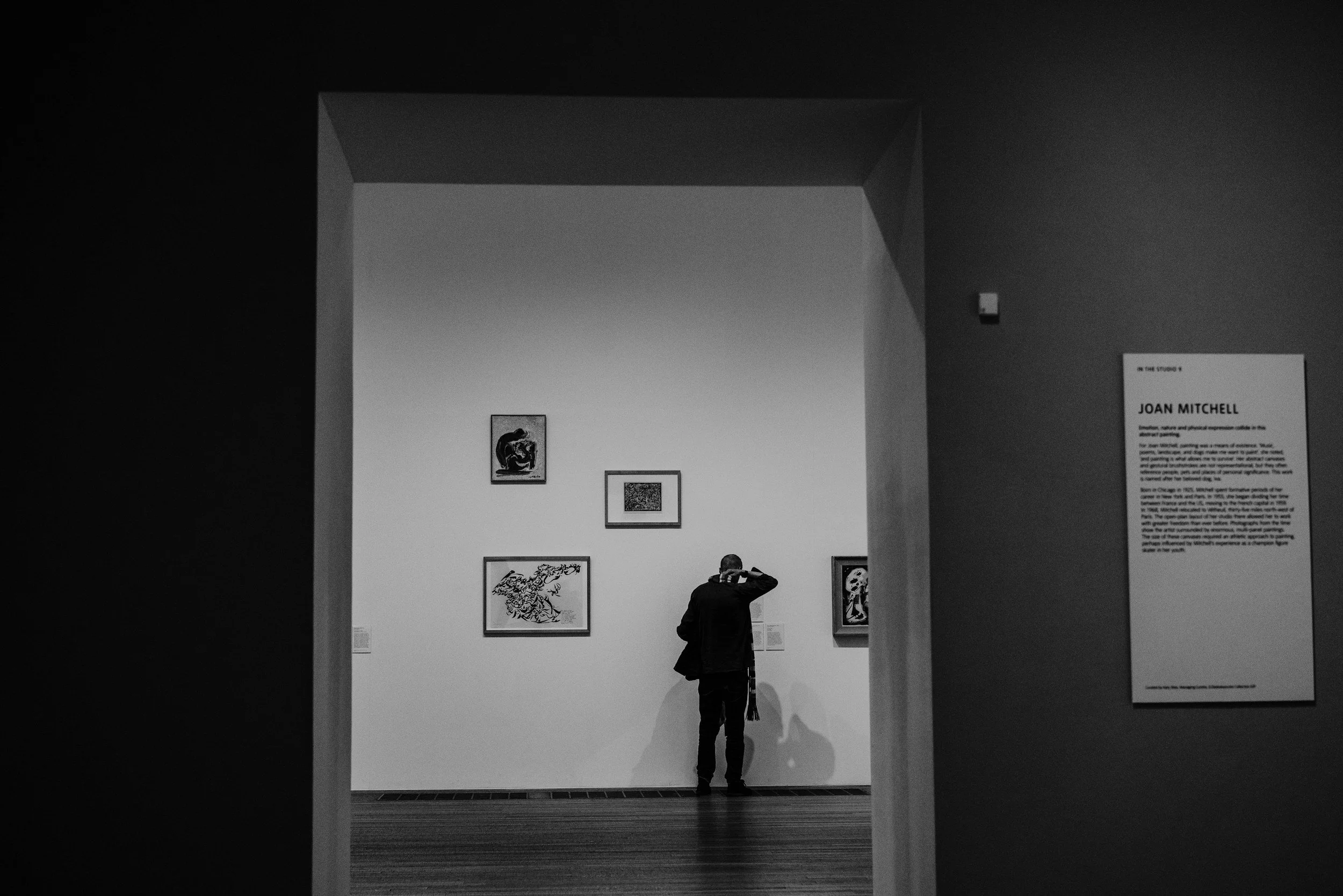
Digital art doesn’t need to mimic the traditional art market, but it does need to understand it.
What the space lacks is not legitimacy… it’s literacy.
Not aesthetic literacy, which is abundant, but the literacy of placement, pacing, and connoisseurship: the literacy of advisory work as stewardship rather than conversion.
A future where digital art sits comfortably within the broader canon will not come from forcing the door open: it will come from aligning the ethos of digital practice with the long arc of art history.
Not speed. Not pressure. Not liquidation-style tactics, but context, care, and continuity.
Conclusion
Digital art has already earned its place in contemporary practice: what often undermines it are the behaviors around it.
If we want the work to move through the same channels as traditional art, we must stop treating it like inventory, and start treating it like lineage.
Because truly, you can’t force entry into a connoisseurship-driven ecosystem using tactics designed for inventory liquidation.
The work deserves doors that open. Not doors that are barged into.