

The Tell
On Beeple's Cards, Staying Native, and the Tastelessness That Passes for Ethos.
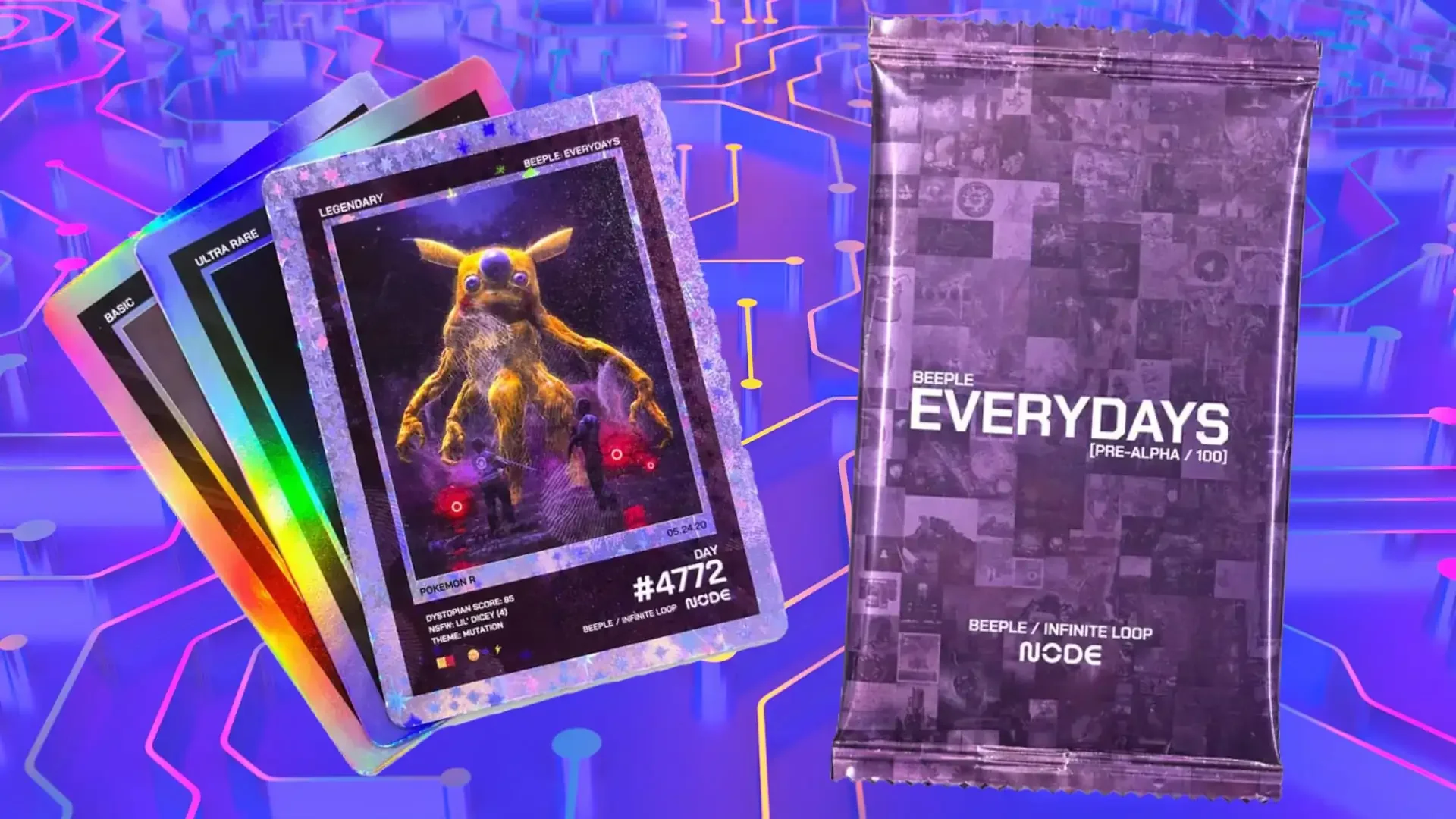
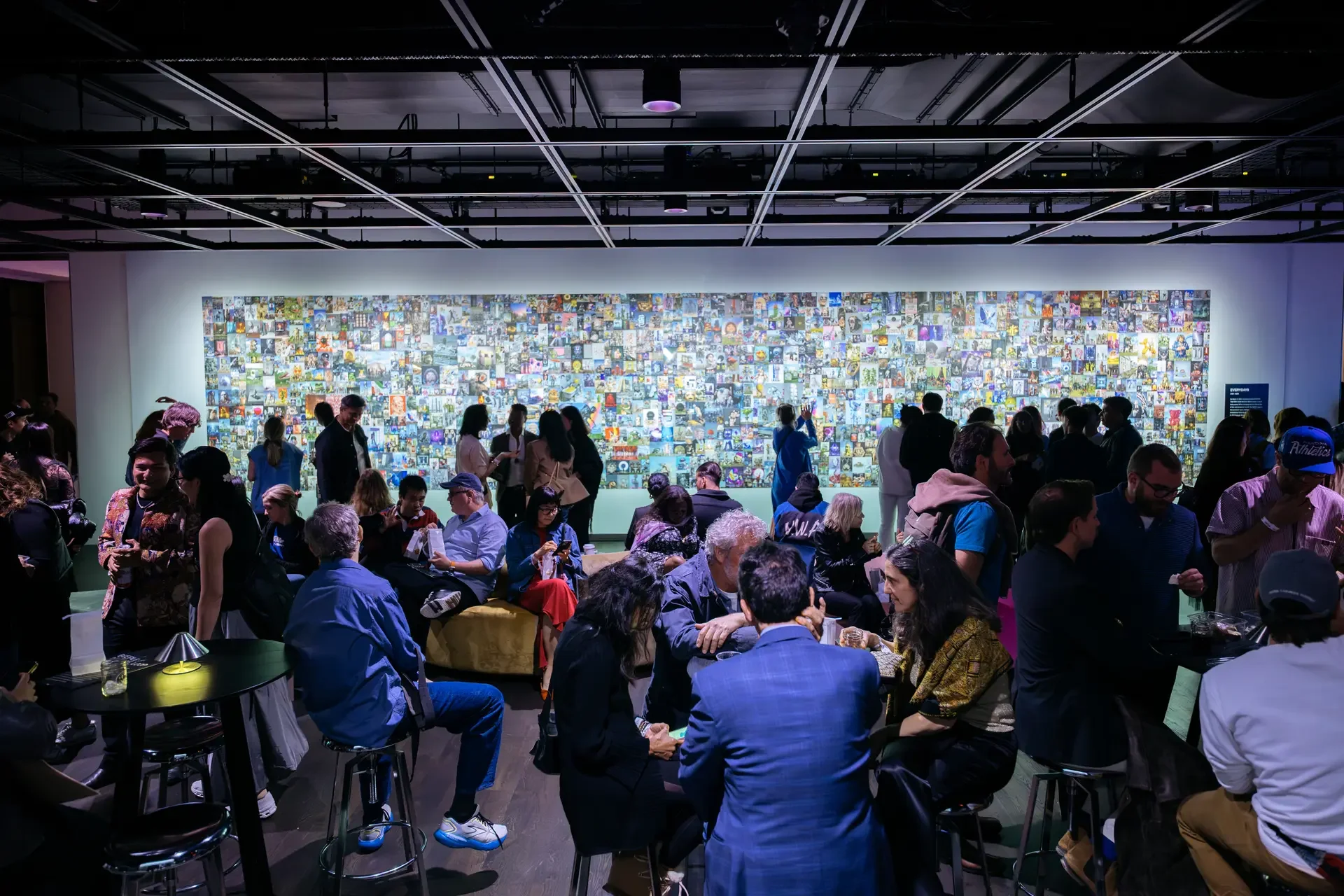
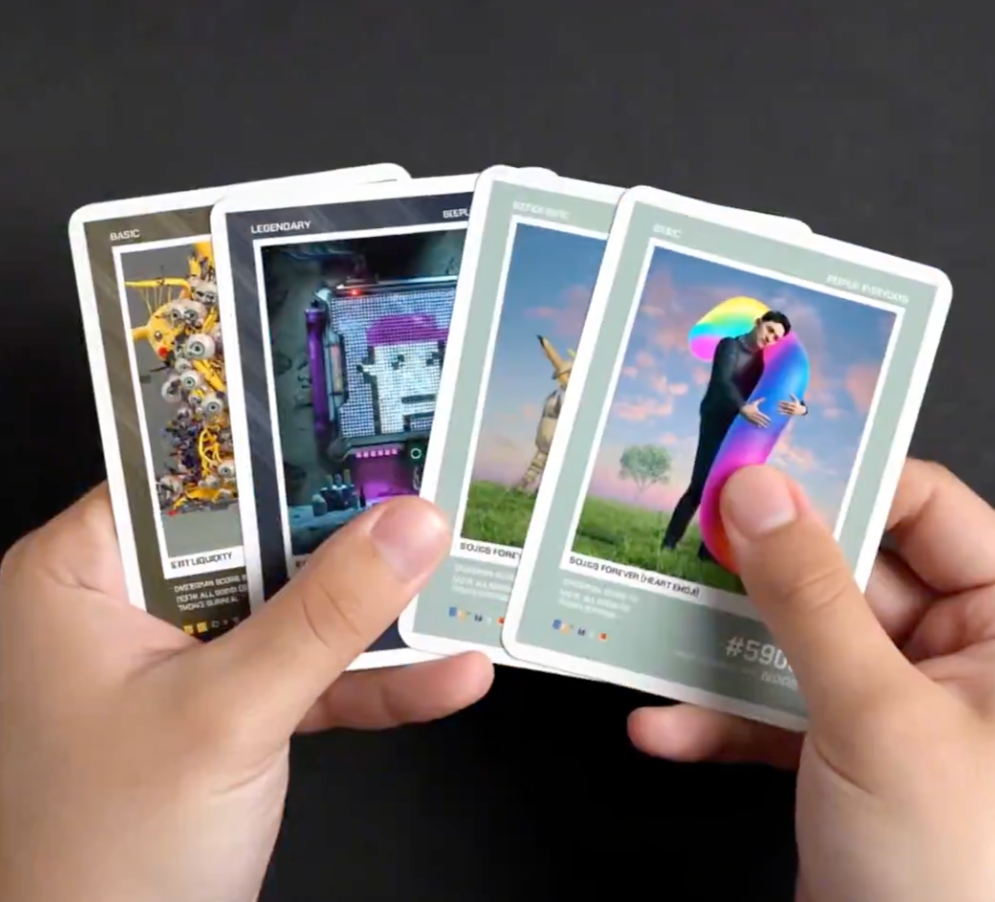
You have probably seen the discourse by now. Beeple launched trading cards at NODE's Infinite Loop exhibition. $10 packs. Five cards per pack. Holographic rarity tiers. Within days, individual cards were selling on eBay for over $1,000. The format was immediately legible. It did not need a thesis statement or a curatorial essay. It just worked.
And then people started arguing about what it meant.
Priyanka Desai published an X article calling the cards a near-perfect example of what makes this space compelling when it leans into its own logic. Accessible price point, instant secondary market, transparent provenance, community formation through circulation. She argued that the NFT ecosystem has been drifting toward traditional art world conventions since the crash, and that this drift is a mistake. The nativeness, she wrote, is the thing.
The counterargument came from Alejandro Cartagena, and it complicated things in ways the original thesis needed to be complicated.

Cartagena, a Mexican photographer who came into crypto art from a traditional practice shaped by geographic and institutional exclusion, dismantled the "no gatekeepers" narrative with a simple observation: visibility is not decentralized. Infrastructure might be open, but attention, support, and cultural oxygen were concentrated from the very beginning. A small group of artists was canonized early. Collectors clustered around them. Platforms amplified them. Everyone else was told the door was open while competing for scraps in an economy organized around visibility algorithms and insider networks. The structure, he argued, mirrors the traditional art world far more than the space wants to admit. The only difference is speed and financialisation.
Both arguments are partially right and both miss something important. And the thing they miss is the same thing this space has been refusing to look at directly since approximately 2022.
Start with the cards.
Nobody in this discourse is asking the most basic question about the Beeple trading cards, which is: why cards?
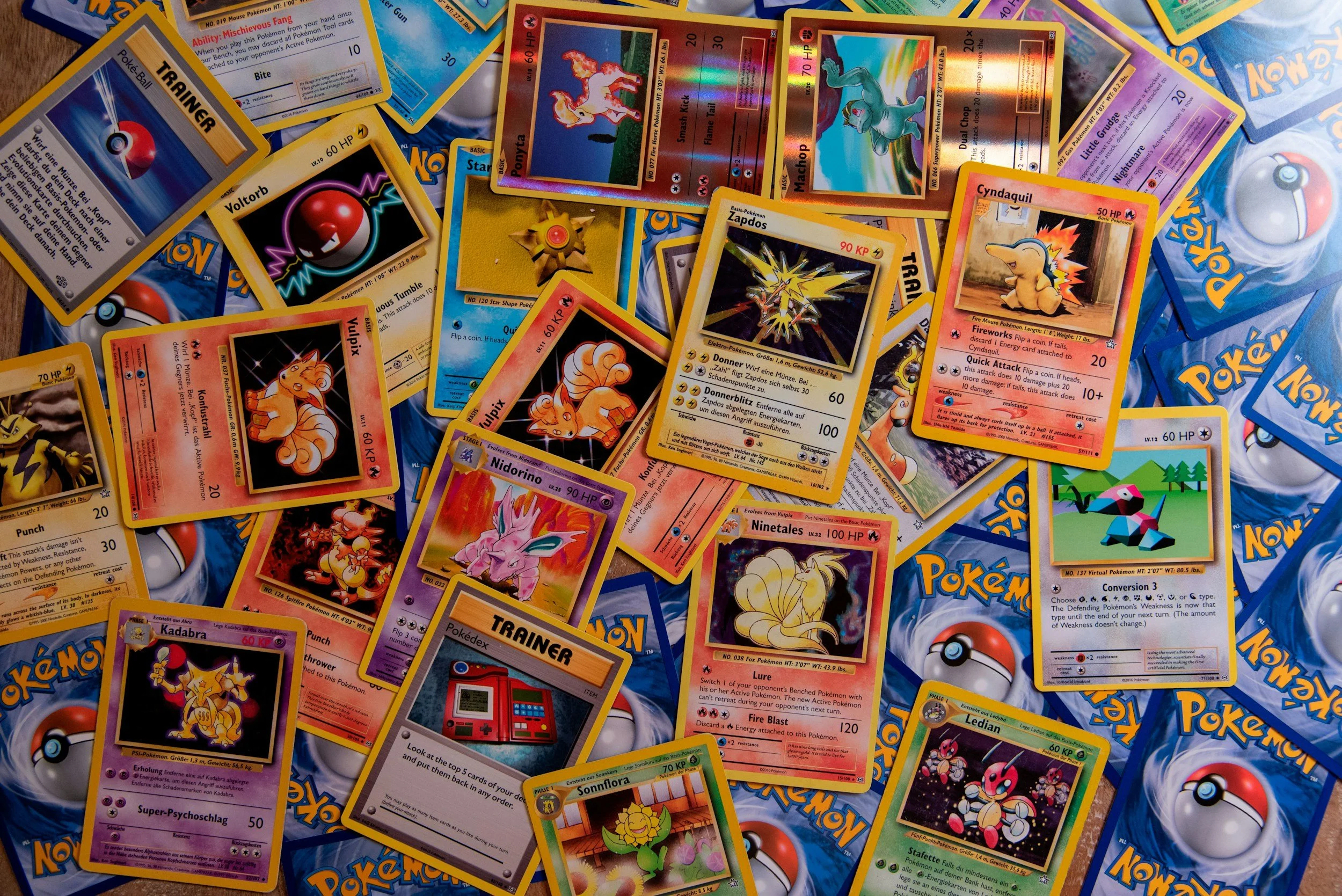
The answer is not complicated. The collectible trading card market, driven by Pokémon, sports cards, and a broader nostalgia economy, has been in a sustained boom.
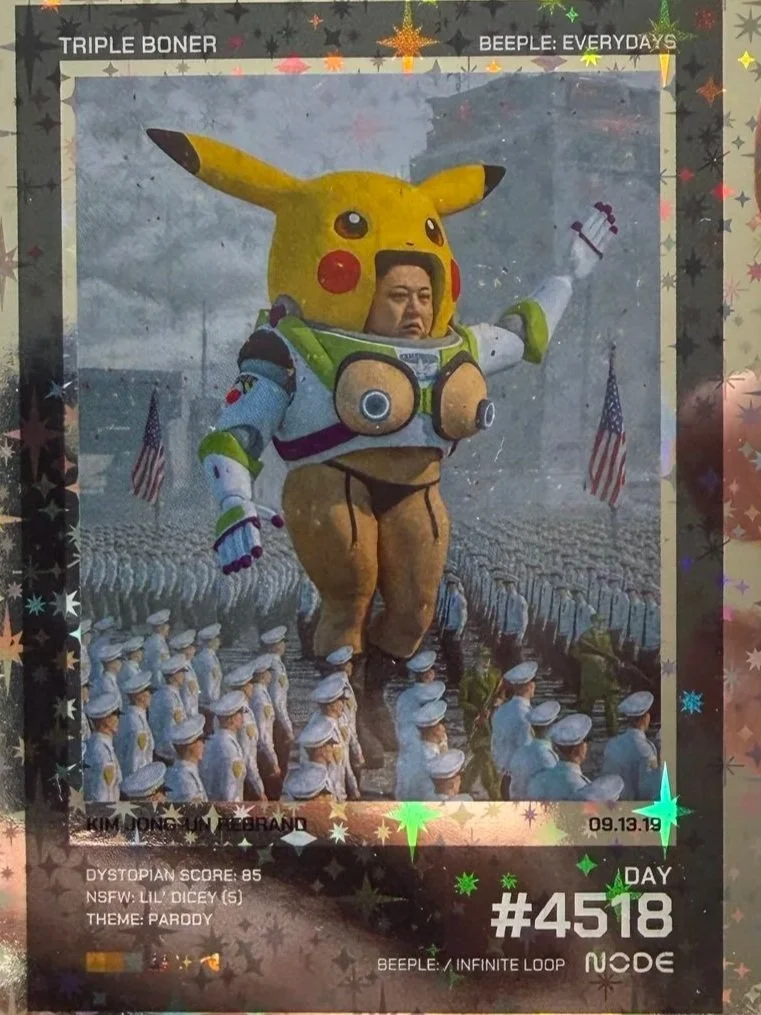
Beeple, who has always been an exceptionally fluent reader of cultural momentum, chose a format that is neither art-native nor crypto-native. It is toy culture. It is gambling psychology dressed in holographic foil. The rarity tiers, the pack-ripping ritual, the hunt for the "triple boner" (their terms, not mine).
These are mechanics borrowed from the lowest-common-denominator end of collectible culture, from the gas station impulse rack, from the same dopamine loop that sells scratch-off lottery tickets. The aesthetic of the cards themselves is meme-collage pastiche, referencing existing IP with the visual subtlety of a monster truck rally flyer.
And this is the moment the space's most prominent voices chose to mount a defense of artistic nativeness and creative legitimacy.
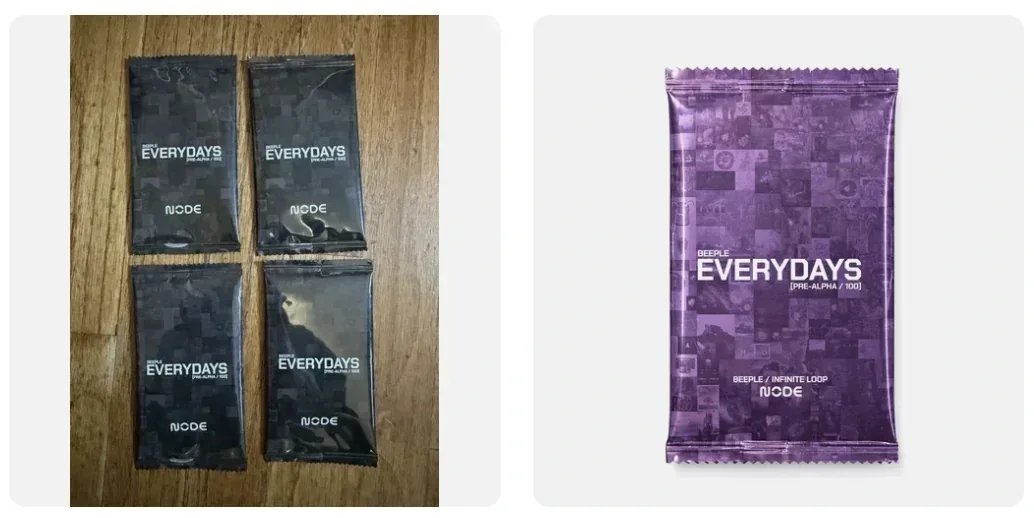
None of this is an indictment of Beeple, who has been one of the most generous and genuinely engaged figures in this space, or of NODE, which continues to do meaningful institutional work for digital art.

The critique is not about the cards or the people behind them. It is about what the discourse around them reveals, and what the space chose to celebrate and why.

That choice is not incidental. It is diagnostic.
The space's inability to distinguish between cultural energy and cultural substance is not a side effect of its structure. It is the structure. Heat is not taste. Virality is not discernment. A secondary market pumping does not mean something is culturally significant; it means something is culturally liquid, which is a completely different quality.
The traditional art world, for all its gatekeeping and opacity, at least operates under the pretense that aesthetic judgment matters, that there is a difference between a work that moves through a market and a work that moves a culture. This space has largely abandoned that pretense and replaced it with engagement metrics, floor price performance, and pack-ripping content. And then it acts bewildered when serious artists and serious collectors treat it as unserious.
There is nothing wrong with collectibles.
But it is very strange to hold up a format explicitly designed around scarcity gambling and speculative flipping as evidence that the space is staying true to some original ethos of accessibility and community. The cards are accessible in the same way a slot machine is accessible. The price of entry is low. The price of participation is not.
Desai's argument frames the cards as proof that nativeness works. But native to what? The cards are native to hype cycles, to the dopamine architecture of pack openings, to a secondary market that rewards speed and insider positioning. They are native to the exact economy the space keeps saying it wants to move beyond. And the fact that the discourse treats them as a point of pride rather than a point of embarrassment tells you everything about where the aesthetic bar has settled.
The deeper problem with the "stay native" thesis is not that it is wrong about the mechanics. Desai is correct that blockchain infrastructure enables a genuinely different relationship to provenance, transparency, and circulation. She is correct that the traditional art world operates through intentional opacity and that on-chain transparency is structurally different. She is correct that some of the best drops in the space worked because they leaned into those affordances rather than away from them.
Where the argument collapses is in the assumption that these structural differences produced a structurally different power distribution. They did not.
Cartagena is right that the ecosystem reproduced hierarchies almost immediately.But his analysis is also too generous, because it treats this reproduction as an emergent outcome, as human behavior doing what human behavior does. The framing is: code did not dissolve power, culture reasserted itself, same dynamics everywhere. And that is true as far as it goes. But it does not go far enough, because it does not name who benefits from the mythology.
Here is the part nobody wants to say clearly:

There is a small, identifiable group of people in this ecosystem who have accumulated outsized structural power: founders, platform operators, a handful of mega-collectors, a few artists who were platformed early enough to become institutions unto themselves.
These people are not passive beneficiaries of emergent dynamics.
They actively maintain the conditions of concentration while performing the language of decentralization, openness, and community.
They show up at conferences in streetwear and talk about breaking down barriers.
They tweet about accessibility.
They fund the right grants, sponsor the right residencies, sit on the right panels.
And meanwhile they operate with the same consolidation logic as any dealer network or auction house, except with less art historical literacy and considerably less interesting wardrobes.
The traditional art world is guilty of many things, but it does not usually pretend to be a liberation movement. It knows what it is. It is a market for luxury goods organized around taste, relationships, and capital, and it has developed a sophisticated cultural apparatus to justify that arrangement.
You can criticize the opacity, the elitism, the glacial pace of inclusion. But the people running it rarely claim they are building an open, permissionless, community-first alternative to itself while doing exactly the same thing with worse aesthetics.
That is what makes the Web3 power structure uniquely irritating. Not the concentration of power, which is inevitable. Not the gatekeeping, which exists in every cultural economy. But the refusal to admit it. The insistence on a countercultural posture that has no relationship to the actual distribution of influence, visibility, and capital.
Desai invokes Art Blocks at peak Marfa as a moment when the energy felt genuinely new, when traditional artists and dealers showed up because the format was unlike anything they had seen. She is right that it was a remarkable moment. But what happened after Marfa is also part of the story. The speculative wave receded. Communities that had been framed as organic formations around shared aesthetic values turned out to be, in many cases, communities organized around shared financial exposure. When the floor dropped, the Discord servers emptied. Cartagena is characteristically direct about this: if communities disappear when prices collapse, that tells you something about what the community was actually built on.
The space's relationship to its own history is revealing. The collapse of Foundation, a platform that launched with rhetoric about empowering artists and ended as a cautionary tale about misaligned incentives and failed exit strategies, is treated as an unfortunate anomaly rather than a structural symptom. Hic et Nunc's implosion and Teia's subsequent attempt to build something genuinely community-governed gets less attention than the latest generative mint. The artists who were most vocal about decentralization during the bull market are, in many cases, the same ones now pursuing gallery representation and institutional validation. Which is fine, and completely understandable!! But it makes the "stay native" argument harder to take at face value when the people making it are actively hedging toward the systems they claim to reject.

The most interesting observation in this entire discourse comes almost as an aside. Cartagena notes that transparency does not eliminate hierarchy; it makes hierarchy publicly quantifiable. You can watch social consensus form in real time. You can watch wallets chase wallets, mimic purchasing behavior, perform affiliation. The on-chain record does not flatten power. It visualizes it. And that visualization, rather than enabling more democratic participation, often accelerates the concentration, because now everyone can see exactly where the momentum is and pile in accordingly.
This is the inversion that the "nativeness" argument does not want to confront. The same transparency that makes provenance verifiable also makes status performance frictionless. The same accessibility that lets anyone mint also means the signal-to-noise ratio is so unfavorable that discoverability becomes its own form of gatekeeping, except now the gatekeepers are algorithms and engagement metrics rather than gallerists and critics.
Whether that is an improvement depends on what you think gatekeeping is actually for.
There is an argument, made somewhat obliquely by ORGNLPLN in the thread, that the space's rejection of art historical knowledge and curatorial expertise was not a feature but a failure. That the absence of informed critical frameworks did not democratize aesthetic judgment but simply emptied it, leaving market performance as the only legible measure of significance. You do not have to agree with this entirely to notice that the space has produced remarkably little durable critical discourse relative to the volume of work and capital that has moved through it.
So what is the Beeple trading card situation actually evidence of?
Not nativeness.
The format is borrowed.
Not accessibility in any meaningful sense.
The entry price is low but the value capture is designed to flow upward through rarity mechanics and secondary speculation. Not community formation.
Pack-ripping culture builds excitement, not necessarily a community.
It builds content.
It builds engagement metrics.
It builds the kind of participatory energy that looks like community from the outside and feels like a casino floor from the inside.
What the cards are evidence of is something simpler and less flattering: that the most commercially successful gestures in this space are the ones that bypass aesthetic ambiguity entirely and offer clean, gamified, dopamine-efficient participation structures. And that the ecosystem's thought leaders will reliably frame these gestures as proof of the space's vitality rather than symptoms of its intellectual thinning. The tastelessness is not a bug. It is a feature of a system that has optimized for engagement over discernment, for participation metrics over artistic substance, and for the feeling of cultural relevance without any of the cultural work that would make the relevance earned.
The question is not whether to stay native. The question is whether "native" has become a word that means anything at all, or whether it has become another piece of rhetoric that powerful people deploy to make a consolidating economy feel like a movement. A word you can print on holographic foil and sell for $10 a pack.
You know the answer. You have known it for a while. The discomfort you feel is not confusion. It is the recognition that the space you believed in has become precisely the thing it promised not to be, except with less taste, less rigor, and considerably worse suits.