

The Man who Never Asked for Permission
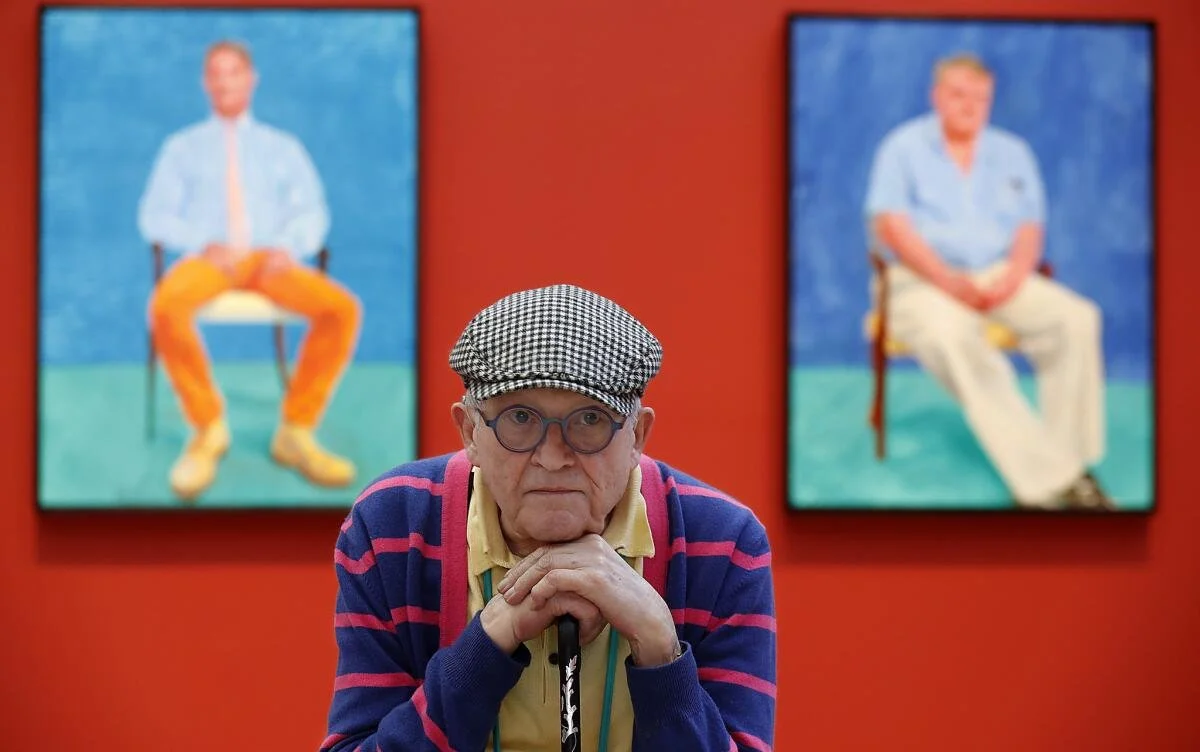
On David Hockney, 1937 to 2026
David Hockney died on Thursday, the 11th of June, at his home in London, just one month short of his eighty-ninth birthday.
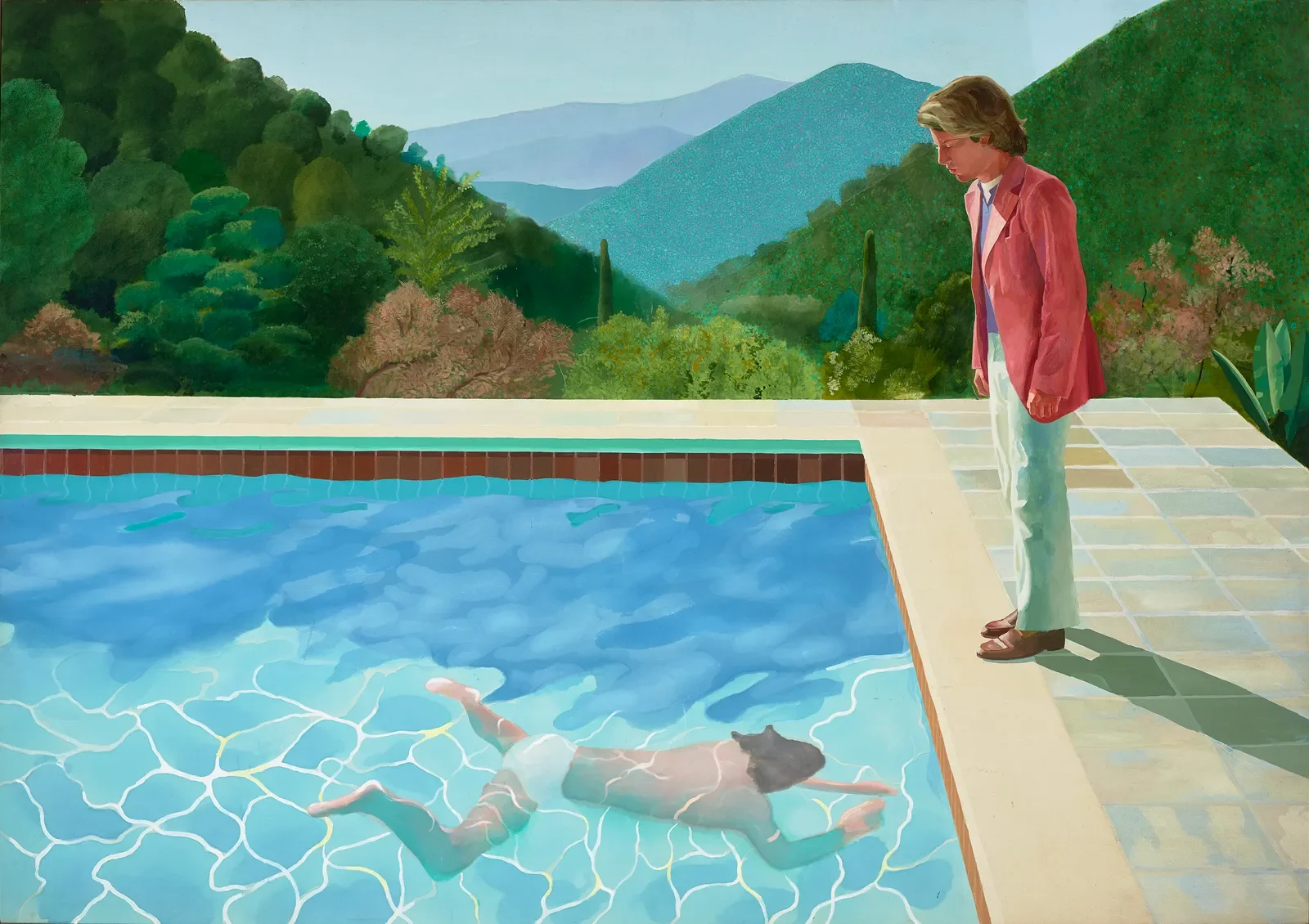
The obituaries will lead with the pools, and they should. A Bigger Splash is one of the few paintings of the last century that needs no caption.
But if our corner of the art world reads only the obituaries, we will have learned nothing from him.Because the pools were never the point.
The point was that Hockney spent seven decades treating every new tool, every forbidden subject, and every inherited convention as something to be tested rather than obeyed.
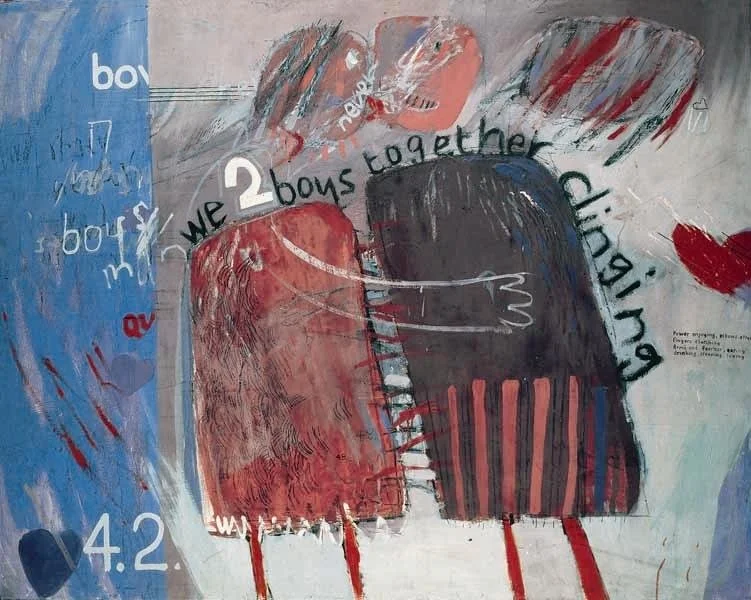
Start with subject. In 1961, as a student at the Royal College of Art, Hockney painted We Two Boys Together Clinging. Homosexuality would remain a criminal offence in England for another six years. He did not encode it, hide it, allegorize it, or wait for the culture to catch up. He painted his life as if the permission had already been granted, and in doing so he granted it.
The California domestic scenes that followed, two men, a shower, a lawn sprinkler, an empty pool after the dive, were radical precisely because they refused to perform radicalism. They simply insisted that this life, too, deserved the full weight of painting. Innovation in subject matter rarely looks like provocation. It usually looks like calm. He eased the audience into a then contentious topic, by showcasing the human tranquility that could come from it.
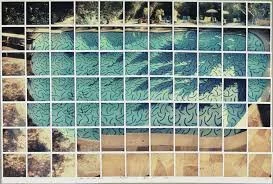
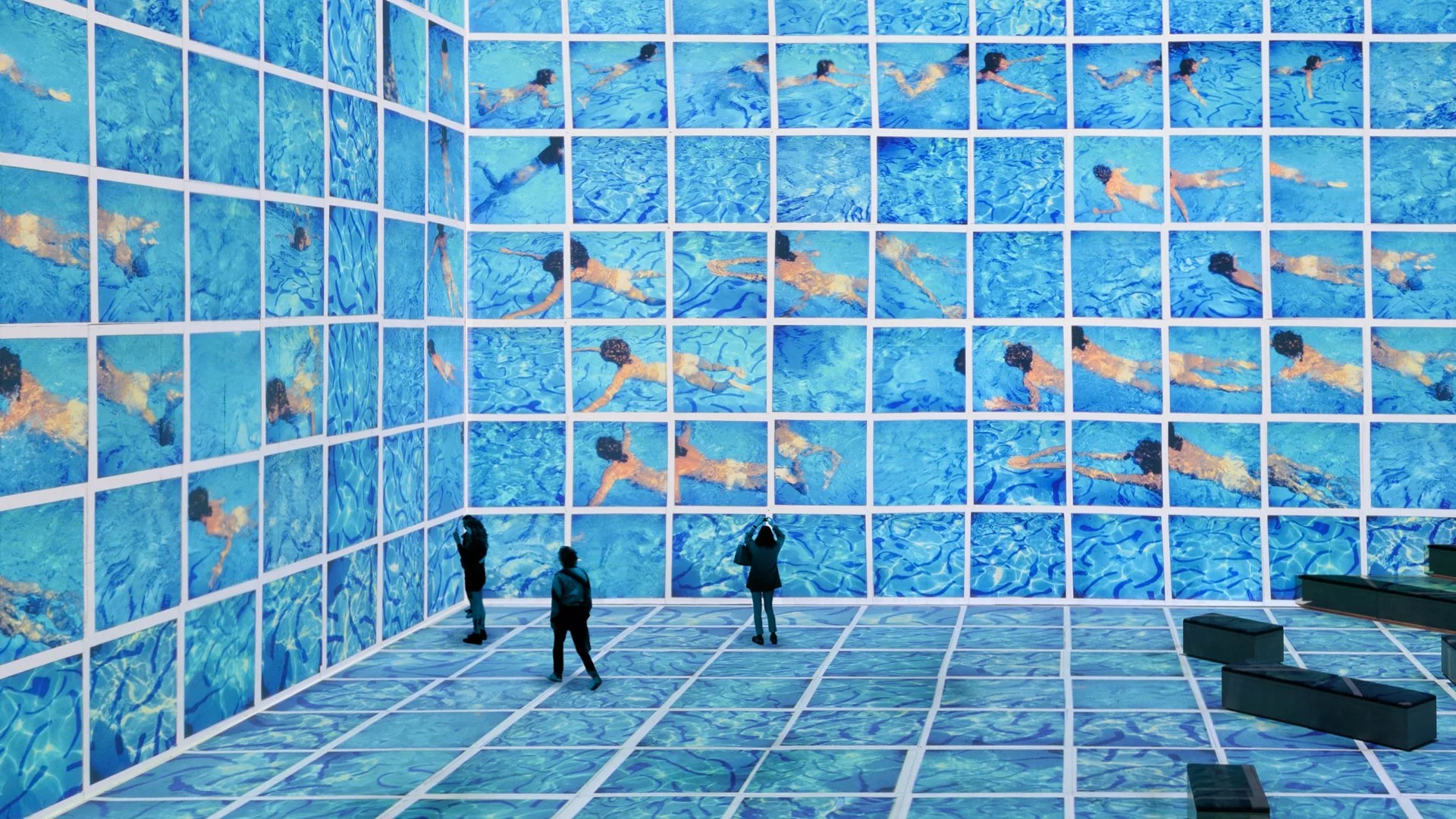
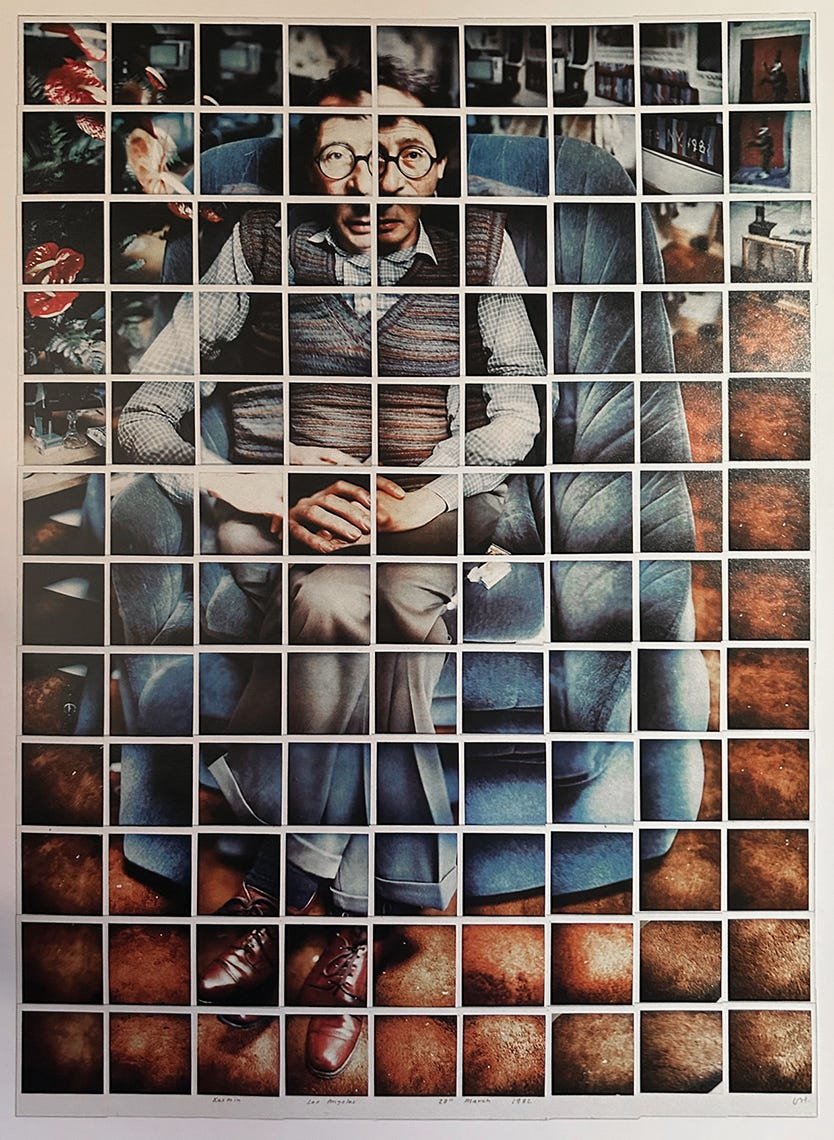
Then the tools, and here is where our space should be taking notes. In the early 1980s, at the height of his market power as a painter, Hockney put down the brush and picked up a Polaroid camera, assembling hundreds of instant prints into fractured composite portraits he called joiners. Critics were baffled. He was attacking the single fixed viewpoint of the camera lens, which he considered a tyranny inherited from the Renaissance, and he was doing it with drugstore technology.
A few years later, he was drawing on a Quantel Paintbox for television and sending artworks through fax machines, delighting in the idea that a drawing could arrive at a gallery as a transmission, copied infinitely, owned by no one in particular.
Read that sentence again and tell me he would not have understood exactly what this generation of digital artists is doing.
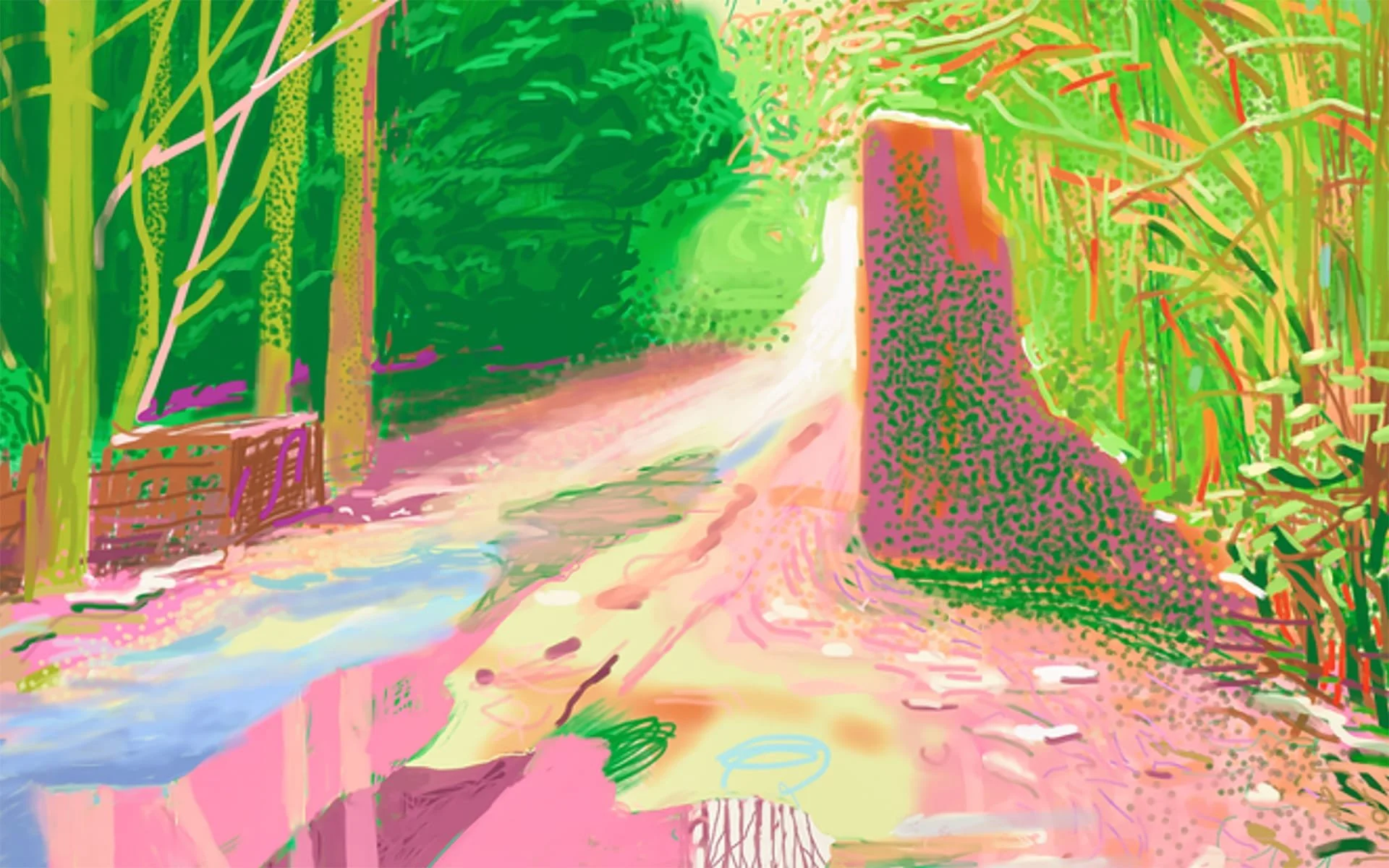
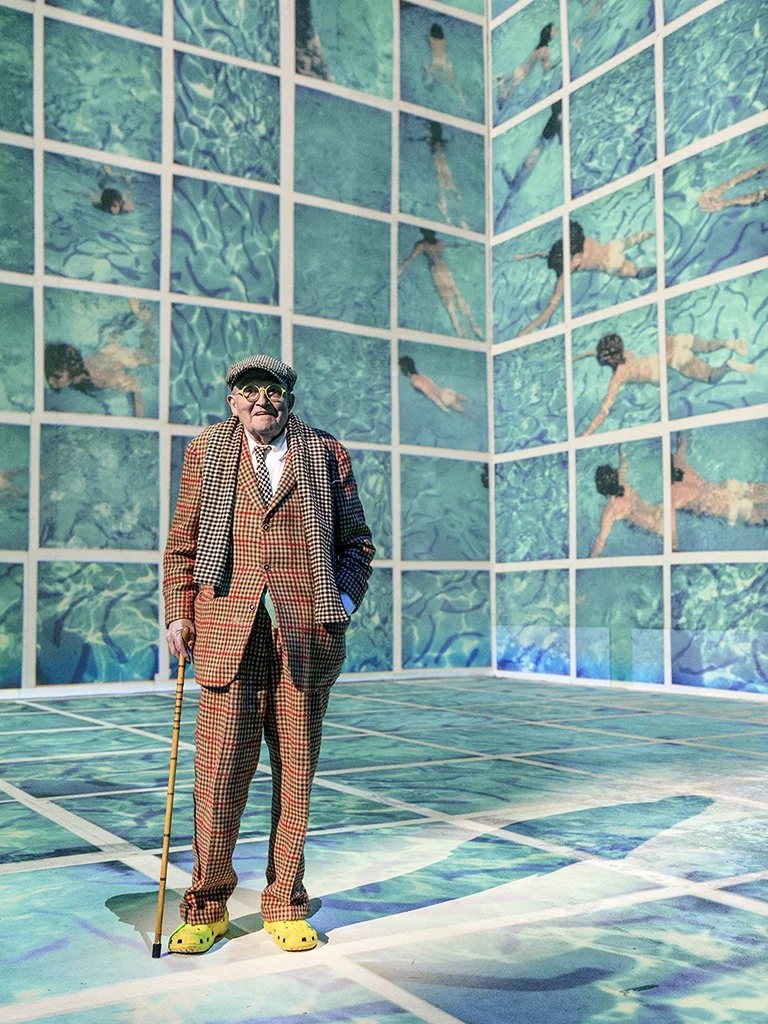
In 2009 he began drawing on an iPhone with his thumb. In 2010, on the iPad, sending flower drawings to friends each morning the way other people send good-morning texts. The art world's first instinct was to treat this as a charming late-career hobby. Hockney's response was an exhibition of fresh flowers that existed only on screens, then vast iPad landscapes of the Yorkshire Wolds and Normandy hung at the scale of history painting, then, at eighty-five, an immersive room in London where his work moved and breathed across every wall. He was not adapting to new media. He was doing what he had always done, which was to ask what a picture is, and refusing to accept that the answer had been settled by people who died before electricity.
And beneath all of it, the research. Secret Knowledge, his 2001 investigation into the optical devices of the old masters, scandalized art historians because a painter had dared to do scholarship, and because the scholarship suggested that the most venerated images in the canon were themselves products of technology. Hockney never saw a contradiction between the hand and the lens, between drawing and the machine. He saw a continuum, and he placed himself inside it without anxiety.
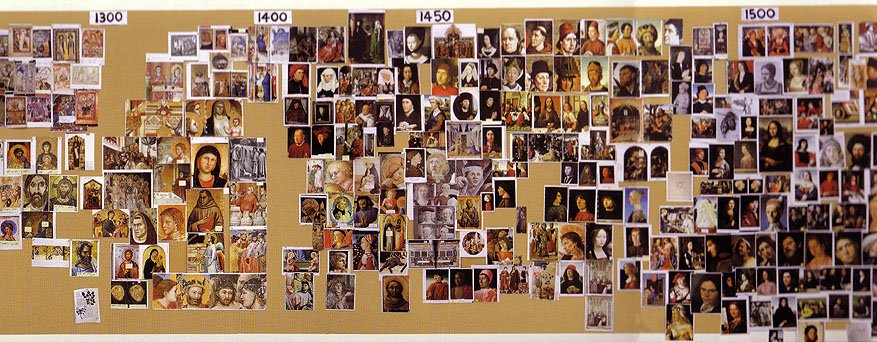
This is the inheritance, and it is worth stating plainly for the artists, collectors, and builders in the digital art space who grew up being told their tools disqualified them. Hockney was dismissed for the Polaroids, dismissed for the faxes, dismissed for the iPad, and he outlived every dismissal. In 2018 a painting of his sold for ninety million dollars, then a record for a living artist, and he greeted the news with roughly the enthusiasm of a man reading a weather report…
The market validated him last, as it usually does, while his work had validated itself decades earlier.
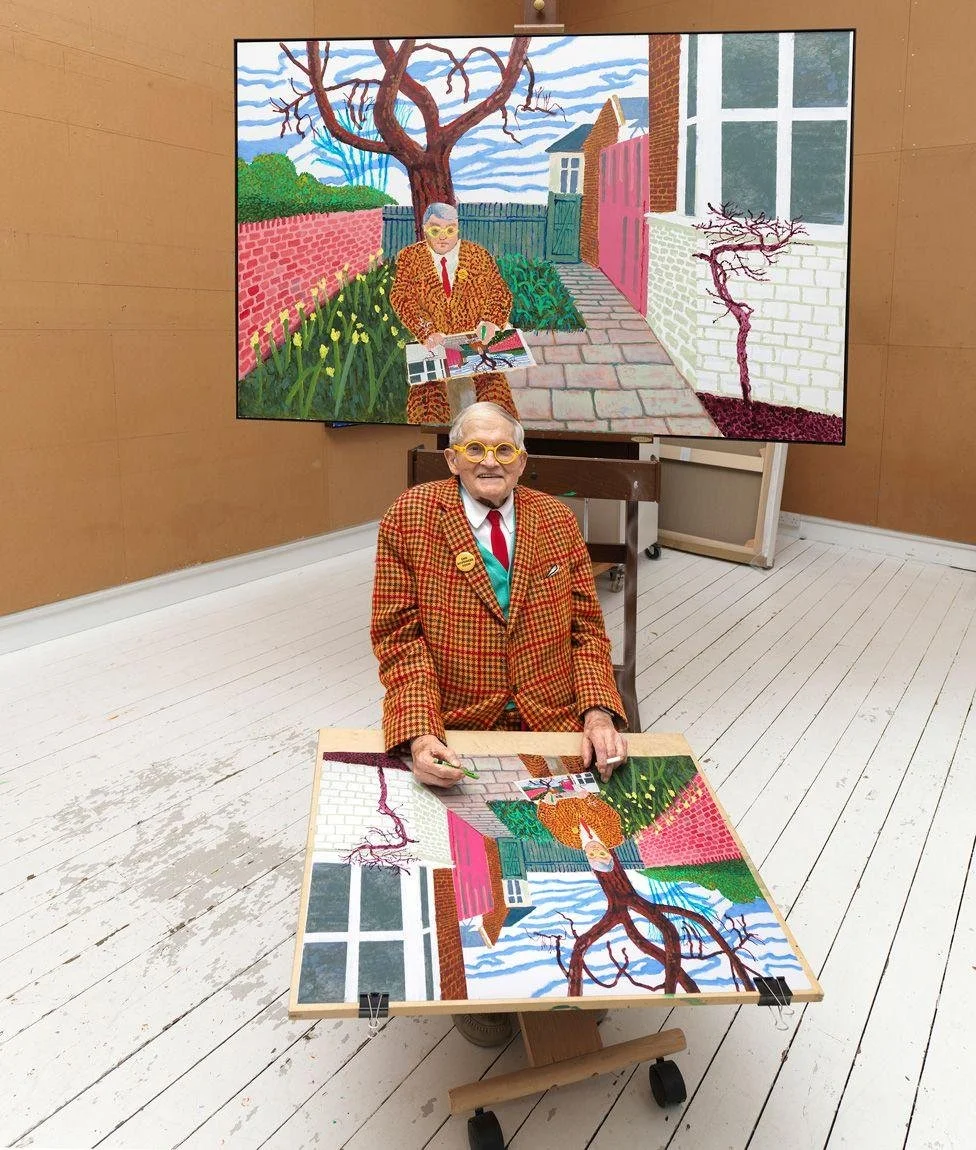
What he had, and what is genuinely rare, was appetite without anxiety: he was not afraid of being early, of being laughed at, of being uncool, of being old!
He believed that the urge to picture the world is ancient, intrinsically human, that it predates every institution that now claims to govern it, and that any tool which extends that need, that urge, is legitimate the moment an artist picks it up with sincerity and seriousness.
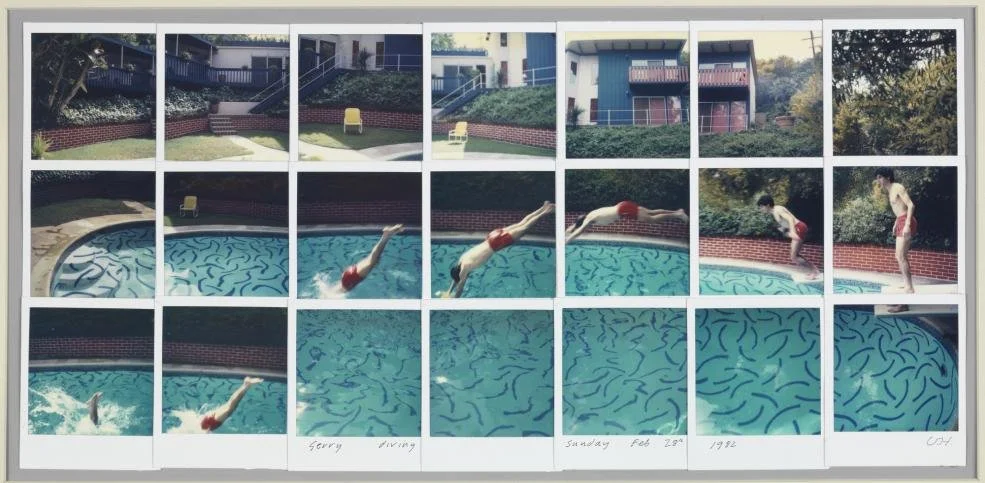
The cave wall, the camera lucida, the Polaroid, the fax line, the tablet… the medium was never the message, the looking was.
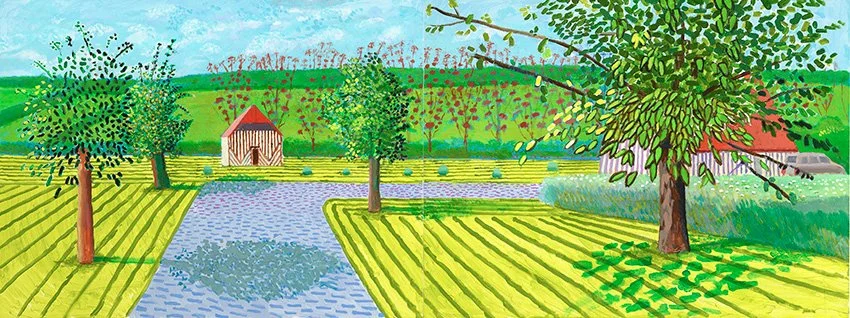
He once said that the source of art is love. He proved that the source of innovation is the same thing: not disruption, not novelty for its own sake, but loving the world so much that one fixed way of seeing it could never be enough.
Draw something today. With whatever is in your hand.
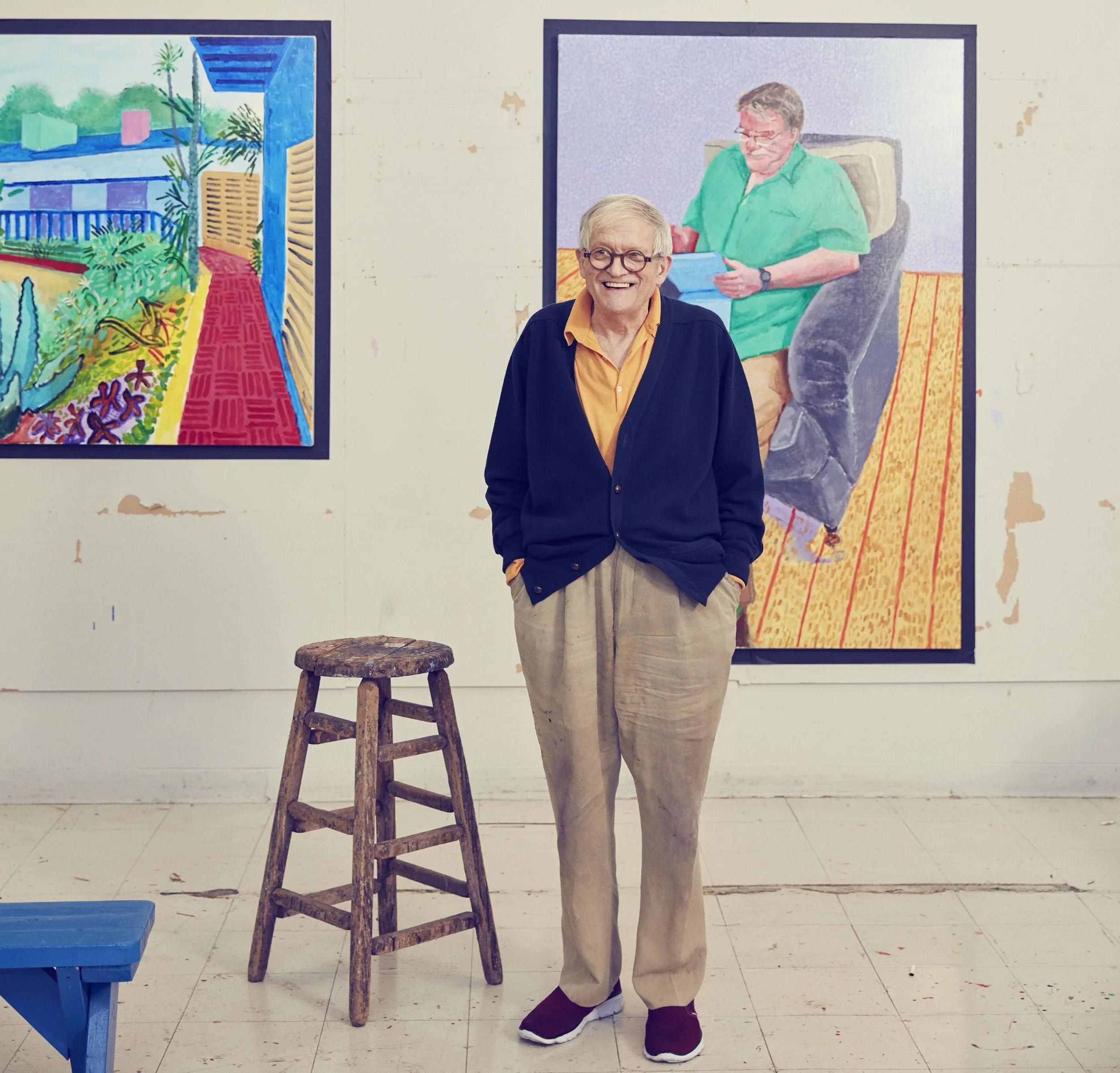
Thank you, David Hockney, for all that you’ve done for art, humanity and creativity.